
Summary: Expression lines develop from repeated facial movement and become more noticeable as the skin changes over time. Their appearance can vary across the forehead, eye area, and mouth, while deeper lines may involve muscle activity, skin quality, or changes in facial volume. Prevention, skincare, Botox, and dermal fillers can address different factors depending on the concern. At The Hive MedSpa, we evaluate facial movement and structure to recommend the most appropriate treatment.
Expression lines develop naturally as the facial muscles move repeatedly when we smile, frown, squint, or raise the eyebrows. At first, these lines tend to appear only during movement, but changes in collagen, elasticity, and skin structure can make them remain visible even when the face is relaxed.
Understanding how these lines develop is important when determining whether prevention, skincare, or professional treatment is appropriate. At The Hive MedSpa, we evaluate facial movement and the areas where lines have become established before recommending options such as Botox or dermal fillers el paso, depending on the type of concern being addressed.
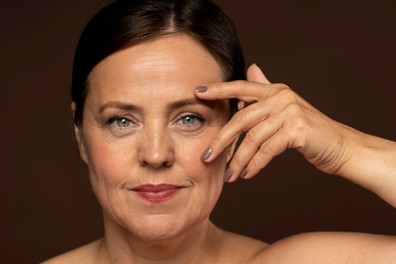
What causes expression lines?
Facial expressions are produced by muscles located beneath the skin. Every time these muscles contract, the skin above them folds in predictable areas. This is why certain lines repeatedly appear in the same locations when someone smiles, concentrates, or changes expression.
Younger skin generally returns to its resting position more easily after movement. Over time, however, natural changes in collagen and elastin affect its ability to recover in the same way. Repeated muscle activity can then contribute to lines that remain noticeable after the expression has stopped.
Sun exposure can also accelerate visible changes in skin structure. Ultraviolet radiation affects collagen and elastin, while factors such as smoking can contribute to premature skin aging. Genetics and individual facial anatomy influence when lines become noticeable and how they develop. Expression lines are therefore not caused by one isolated factor. They reflect the interaction between facial movement and gradual changes within the skin.
Where do expression lines usually develop?
Expression lines tend to follow areas of frequent facial movement, although their appearance varies from person to person.
Forehead
Forehead expression lines commonly appear horizontally as a result of repeated movement of the frontalis muscle, which raises the eyebrows. Initially, these lines may be visible primarily when the eyebrows move. With time, the folds can become more established. Their depth and distribution are influenced by muscle activity, skin quality, facial anatomy, and the natural aging process.
Between the eyebrows
Vertical lines between the eyebrows are associated with the muscles used when frowning or concentrating. Because these muscles can contract frequently throughout the day, the area is one of the common locations where dynamic lines develop.
The pattern is not identical in every patient. Some people have stronger muscle activity in this region, while others develop more noticeable changes elsewhere on the upper face.
Around the eyes
The skin around the eyes is relatively thin and is continuously affected by facial movement. Smiling and squinting repeatedly fold the skin at the outer corners, gradually making these lines more apparent. Changes in skin elasticity can make them visible even when the muscles are no longer actively contracting.
Around the mouth
Expression lines around the mouth can have a more complex origin because movement isn’t the only factor involved. The mouth moves constantly during speaking, smiling, eating, and other everyday expressions, but changes in facial volume and skin structure can also influence the appearance of this area.
For this reason, lines around the mouth shouldn’t automatically be treated in the same way as forehead lines. The underlying cause needs to be identified before determining which approach is appropriate.
Read more about: How long does botox last?
What is the difference between dynamic and static expression lines?
The distinction between dynamic and static lines helps explain why the same treatment isn’t appropriate for every wrinkle.
Dynamic expression lines | Static expression lines |
Primarily visible during facial movement | Remain visible when the face is relaxed |
Closely related to muscle contraction | Influenced by repeated movement and structural skin changes |
Often appear earlier | Tend to become more established over time |
Common on the forehead and between the brows | Can develop in several facial areas |
Treatment may focus on muscle activity | Treatment depends more heavily on the structure and depth of the line |
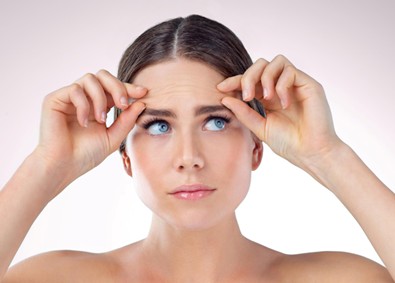
Why do some expression lines become deeper?
Deep expression lines usually develop gradually rather than appearing suddenly. Repeated muscle contractions continue folding the skin in the same locations, while the skin itself undergoes changes that affect its ability to return completely to its resting position.
Collagen production gradually declines with age, and accumulated sun exposure can contribute to structural changes within the skin. Once a line has become established at rest, muscle movement may be only one part of what is maintaining its appearance.
The depth of a line also varies according to facial anatomy. Muscle strength, skin thickness, and volume distribution differ between patients, so two people of the same age can have very different expression patterns.
Can expression lines be prevented completely?
Expression lines are a normal consequence of facial movement, so preventing every line from developing isn’t a realistic objective. Facial expression is continuous and necessary, and the skin also changes naturally over time.
Prevention is better understood as reducing factors that can contribute to premature or more pronounced skin changes.
Daily broad-spectrum sunscreen is particularly relevant because cumulative UV exposure contributes to collagen breakdown and photoaging. A consistent skincare routine can also support hydration and the overall condition of the skin. Lifestyle factors matter as well. Smoking is associated with premature skin aging, while repeated unprotected sun exposure can make visible changes develop sooner.
Why is Botox used for expression lines?
Botox is used to temporarily reduce the muscle activity responsible for certain dynamic facial lines. It is particularly relevant when repeated muscle contraction causes the skin to fold consistently in the same area. This is common in the upper face, where movements such as raising the eyebrows or frowning contribute to the development of forehead lines and lines between the eyebrows. As these movements repeat over time, the lines can become more noticeable even when the face is relaxed.
At our medspa in El Paso, we assess facial movement as well as the appearance of the skin at rest to determine how much muscle activity is contributing to the concern. This distinction helps us establish whether Botox is an appropriate treatment for the type of expression line present.
When can dermal fillers be used for facial lines?
Dermal fillers address different structural concerns from Botox. Rather than reducing muscle contraction, fillers are used to restore or add volume in selected areas and can influence the appearance of folds associated with volume changes.
This distinction becomes particularly important in the lower face. A line around the mouth, for example, may involve repeated movement, but facial volume and surrounding support can also contribute to its appearance. At The Hive MedSpa, we offer Juvéderm as one of our injectable options. Whether filler is appropriate depends on facial anatomy, the location of the concern, and what is actually contributing to the visible line.
What does an expression lines treatment need to address?
An effective expression lines treatment begins by identifying what is producing the line rather than treating the visible crease alone. There are three main elements we evaluate:
- Muscle movement: Dynamic lines may be strongly influenced by repeated contraction, particularly in the upper face.
- Skin condition: Elasticity, texture, sun damage, and the depth of an established line can affect how prominent it appears at rest.
- Facial structure: Volume changes and individual anatomy can influence folds in areas where movement isn’t the only factor involved.
Once these elements are assessed, treatment can be selected according to the actual concern. This also helps establish realistic expectations because a deeply established static line may respond differently from a fine line that appears primarily during expression.
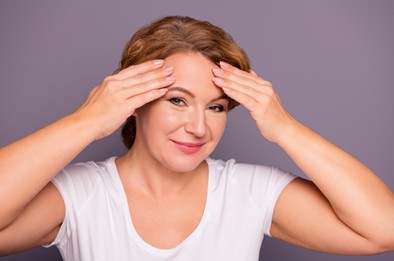
How do we approach expression lines at The Hive MedSpa?
Expression lines are influenced by facial movement, skin quality, and structural changes, so we evaluate the face both at rest and during movement before recommending treatment. Botox may be appropriate when muscle activity is the main concern, while Juvéderm can be considered when changes in volume or facial structure contribute to the appearance of the area. We also consider skincare and sun protection as part of maintaining skin quality over time, always focusing on results that preserve natural expression and facial balance.
Book your appointment with us to receive a personalized evaluation and determine the most appropriate approach for your expression lines.